Thousands of rare bird eggs seized in Australia
Officials in Tasmania have seized a collection of 3.404 birds eggs in a raid on a property in Granton on 9th July.
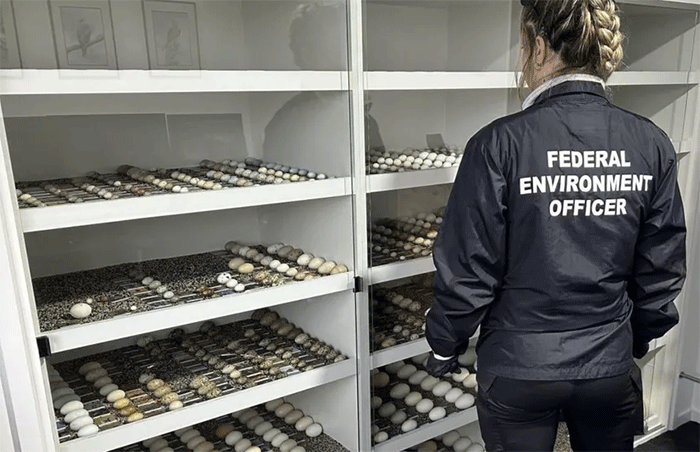
A 62-year old man is being investigated and although no arrests have been made it is expect that he will appear in court at a later date for offences in contravention of the Environment Protection and Biodiversity Act.
“The man is alleged to have been involved in the collection and harvesting of bird eggs from the wild and trading of both Australian native and CITES-listed bird eggs with people overseas," a spokesperson from the federal Department of Climate Change, Energy, the Environment and Water (DCCEEW) said.
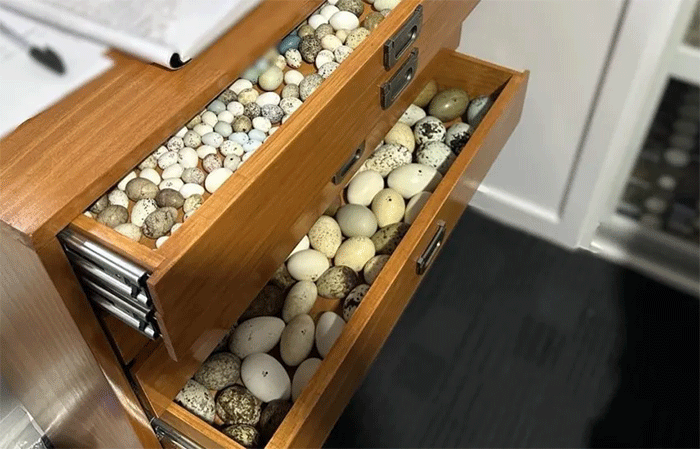
Investigators are currently in the process of identifying the species involved but it is thought that it involves rare and threatened species. It is thought that eggs of Forty-spotted Pardalote, which is found only on Tasmania's Bruny Island, the Swift Parrot and the Shy Albatross are in the collection.
Tanya Plibersek, Minister for the Environment and Water, said: "Illegal trafficking and wildlife crime is fast becoming a threat for many of our species that are already at risk of extinction.
"We have to stamp out this terrible trade which sees our native animals captured in the Aussie bush and sent overseas to be sold."
23 July 2024
Share this story