


Parrot found to be dominant alpha male despite physical impairment
Study shows injured bird maintained top social status, challenging assumptions about dominance in animal groups
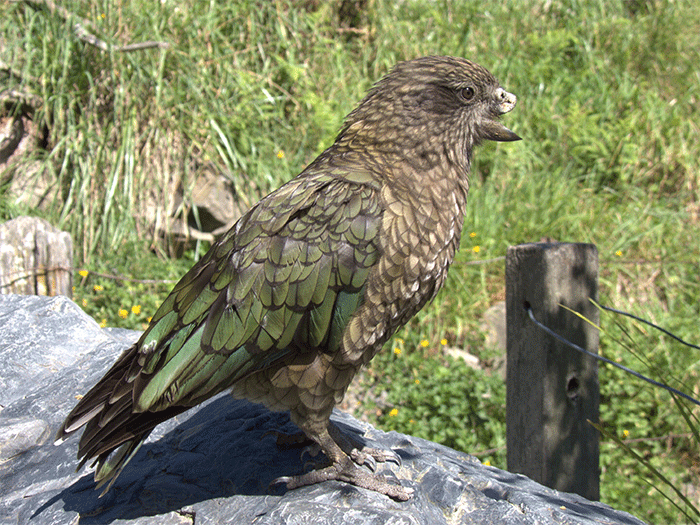
Unexpected leader in the flock
A physically impaired parrot has been observed maintaining dominant status within its social group, according to new research. Despite its disability, the bird consistently outcompeted rivals and retained its position as the group’s leading male.
The study focused on social dynamics within a population of parrots, where dominance typically plays a key role in access to resources and mating opportunities. Researchers found that the disabled individual remained ‘undefeated’ in social interactions, defying expectations that physical condition would limit its success.
Dominance not solely based on strength
Detailed observations revealed that the bird’s leadership was not dependent purely on physical ability. Instead, behavioural traits such as confidence, persistence and social signalling appeared to play a significant role in maintaining its status.
Even when faced with physically stronger rivals, the dominant male was able to assert control through displays and interactions that avoided prolonged conflict. This suggests that dominance hierarchies in parrots may be more complex than simple physical competition.
Implications for understanding social behaviour
The findings provide insight into how social structures function in highly intelligent bird species. Parrots are known for their cognitive abilities and complex social interactions, and the study highlights how these traits can influence outcomes within groups.
By showing that an individual with a physical limitation can still achieve and maintain dominance, the research challenges traditional assumptions about how hierarchy is established and maintained in animal societies.
Rethinking measures of fitness
The study also raises questions about how ‘fitness’ is defined in social animals. While physical condition is often assumed to be a key factor, the results indicate that behavioural adaptability and social intelligence may be equally important.
Researchers suggest that these findings could have broader relevance for understanding social systems across other species, particularly those with complex communication and group structures.
April 2026
Get Breaking Birdnews First
Get all the latest breaking bird news as it happens, download BirdAlertPRO for a 30-day free trial. No payment details required and get exclusive first-time subscriber offers.
Share this story





