Norfolk charity breeding a ‘non-migratory’ Turtle Dove flock
A Norfolk based charity, founded in 2019, is currently in the process of breeding Turtle Doves in captivity and releasing them into the wild with the stated aim of creating a non-migratory British flock.
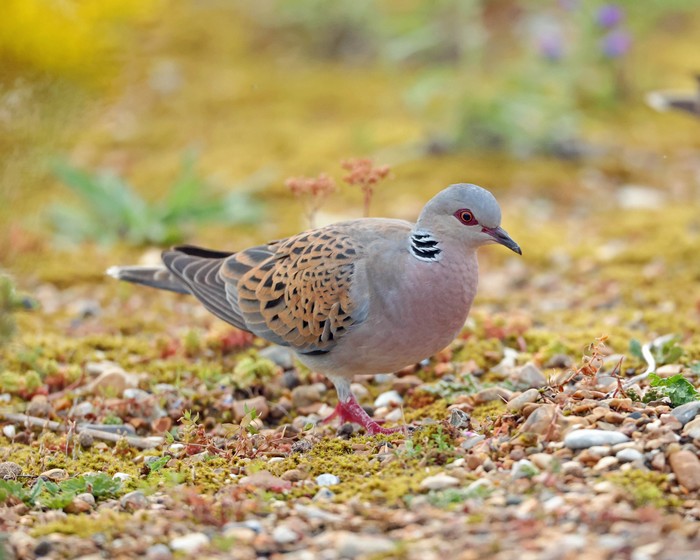
The Turtle Dove Trust say that the scheme is a “pragmatic and practical project, inspired by the extremely successful captive breeding and release programs of critically endangered species, orchestrated globally but in particular the Mauritius Pink Pigeon.
The say that the have taken into consideration the main causes of the current collapse of Turtle Dove numbers which include agricultural intensification, loss of habitat, hunting and disease. However, they contend that remedies to the problems above take too much time – time they say the Turtle Dove doesn’t have.
During the projects breeding season in 2019, over 100 young Turtle Doves were raised from captive bred stock, donated by aviculturists in the UK. These young birds have been added to their foundation breeding stock. The project claims that all the original birds are captive bred and none have ever experienced living in the wild and therefore never migrated.
Some of the eggs will be hatched by parent birds whilst others will be incubated and/or fostered by Java Doves.
Several releases are planned throughout the year as birds come to maturity. Whilst some birds will be overwintered releases are mainly expected in May and early June. The birds will be ringed to help with identification in the field. However they say that it is possible that the birds “innate desire to migrate will not easily be overcome. Therefore trackers capable of sending signals over long distance and time are additionally required.”
Alexander Lees, Reader in Conservation Biology at Manchester Metropolitan University said "Although it is not without precedent to try and reshape species ecologies as a last resort, we are still far from that position with Turtle Doves. Focusing on creating food rich farmland landscape, mitigating disease risk from Trichomonas gallinae and reducing pressure from hunting will be of far more immediate benefit to this and other declining species.
On one thread on Twitter discussing the plan, there was very little support shown for the project…
@birdingprof said “is this for real? Is it legal? Is it right thing to do?
@JeffHiggott said “Legal and licensed or not this isn’t actually addressing the problem”
@woodlandbird said “… so they can spend the winter around British bird tables contracting trichomonas and salmonella instead? Suicidal!”
More details on the project can be found on the Turtle Dove Trust website
27 March 2023
Share this story