Is the Government Hiding Where Raptors Are Being Poisoned?
Freedom of Information data reveal dozens of illegally poisoned birds of prey in key valleys between 2015-2023 and a lack of updated official mapping
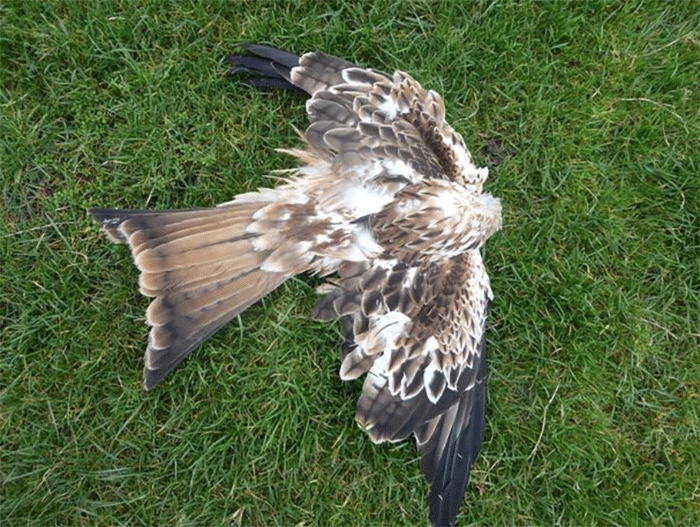
Poisoning persists despite century-old ban
A new report from Wildlife Poisoning Research UK shows that between 2015 and 2023 the bodies of 73 legally protected birds of prey were found in northern England, all believed to have been deliberately poisoned. Of these, 31 were species covered by the highest protection under UK wildlife law. The figures come from Freedom of Information requests and mapping work by the group.
The practice may be much more widespread than these numbers suggest, since detection of poisoned birds is very low and most incidents go unreported. The report identifies two hotspot areas: Nidderdale in North Yorkshire and the Glapwell area in Derbyshire.
Official mapping stopped while crimes continue
In 2017 the Government initiated a project to map incidents of illegal bird poisoning, for public access and intelligence-sharing. However, the latest report reveals that these crime maps have not been updated and that there is “very little governmental action informing the public that these crimes are still occurring”.
Wildlife Poisoning Research UK emphasises that the lack of transparency and updated mapping severely limits public awareness and the ability of enforcement agencies to target key areas. As one respondent summarised: the public is being kept in the dark about the scale and location of this wildlife crime.
Risk and consequence for future releases
The report warns that such ongoing illegal poisoning could jeopardise future bird-reintroduction programmes, including the planned release of white-tailed eagles in northern England. Previously, at least two eagles in southern England were killed by poison.
One of the report’s authors commented: “The fact that 114 years after this sickening practice was banned, individuals are still poisoning our wildlife is deeply disturbing. People visit the countryside to enjoy nature and they will be truly alarmed to learn that poison is still being used to kill wildlife.”
Calls for improved monitoring and enforcement
Conservation groups are urging the Government and local authorities to resume and publish detailed mapping of poisoning incidents, to improve intelligence sharing, and to prioritise enforcement in known hotspot areas. Without such measures the report concludes that these criminal acts will continue unchecked.
They also note that these poisons don’t just kill raptors – they pose a risk to pets, farm animals and potentially people in rural areas, making this both a wildlife crime and a public safety issue.
November 2025
Get Breaking Birdnews First
Get all the latest breaking bird news as it happens, download BirdAlertPRO for a 30-day free trial. No payment details required and get exclusive first-time subscriber offers.
Share this story