Fresh drive to eradicate invasive mink from Outer Hebrides
A new project has secured vital funding for plans to protect internationally important bird populations by eradicating invasive mink from the Outer Hebrides once and for all.
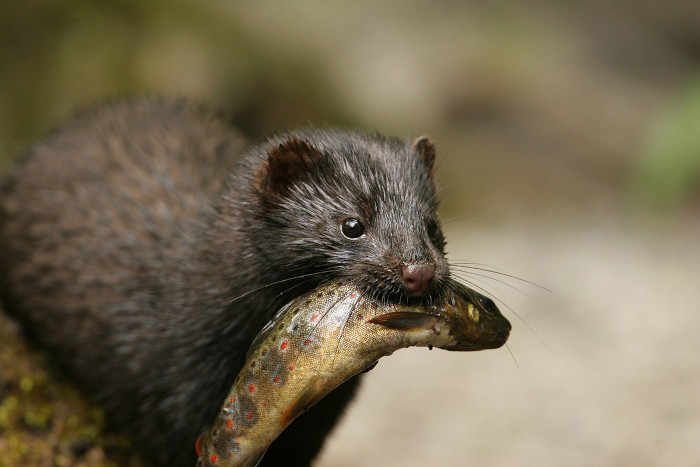
Saving Nature Outer Hebrides will build on the work of the Hebridean Mink Project, which has significantly reduced the numbers of mink in the islands and prevented their spread, allowing many species to recover.
NatureScot, Comhairle nan Eilean Siar and Community Land Outer Hebrides, have now been awarded £94,000 from the Scottish Government’s Nature Restoration Fund (NRF) to develop a plan for complete eradication.
Saving Nature Outer Hebrides will draw on decades of experience and pull in expertise from other projects to design a new approach to the problem.
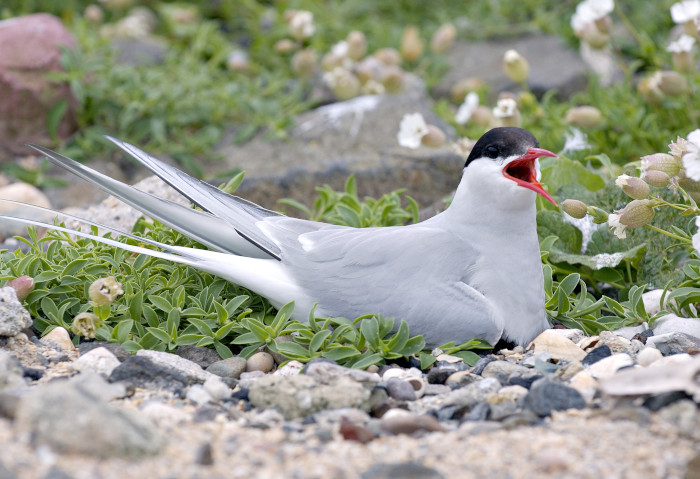
David Maclennan, NatureScot’s Head of Operations for West Scotland, said: “Thanks to the prolonged efforts of the Hebridean Mink Project, the mink population in the Outer Hebrides has been reduced to extremely low levels with significant positive consequences for ground nesting birds.
“It’s clear, however, that the existing level of trapping has not been enough to completely eradicate mink from the islands. We believe that while it will be challenging, total removal is feasible and in the long-term offers both the most effective protection for our native wildlife and the most cost-effective solution to the problem.
“This funding marks a step change in our approach. We are determined that this new project will learn from the past and make the changes required to maximise the chance of success in future.”
Murdo Mackay, Development Manager for Comhairle nan Eilean Siar, said: “CNES supports this initiative to ensure the benefits realised by the mink eradication project are protected and that final clearance of the few remaining animals can be achieved."
NatureScot
01 May 2025
Share this story