Defra launches consultation on bird shooting seasons
Wild Justice welcomes long-awaited proposals to restrict shooting seasons, but warns urgent action is needed to halt declines in vulnerable bird populations
Consultation finally launched after years of pressure
Campaign group Wild Justice has welcomed the launch of a new government consultation aimed at strengthening protections for Woodcock and other declining bird species. The move follows a lengthy review by Defra and statutory nature bodies, and comes after sustained pressure from campaigners calling for tighter controls on shooting.
The consultation, opened in March 2026, proposes a series of changes to existing legislation governing when certain bird species can be legally shot. At its core is the suggestion that close seasons - the periods when birds are protected - should be extended for several species of conservation concern.
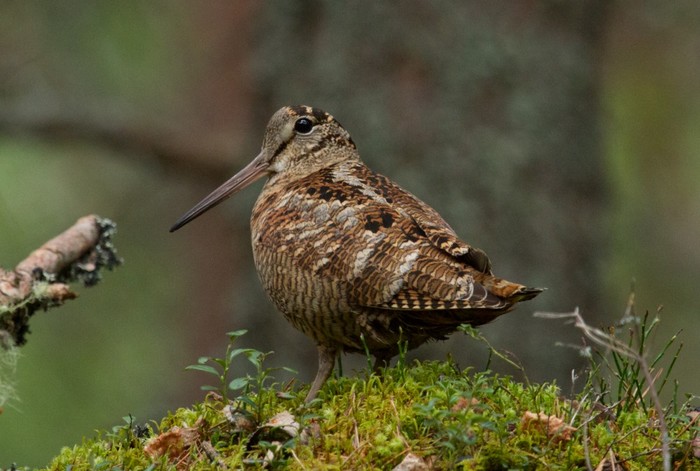
Woodcock at the centre of the debate
Particular attention is focused on Woodcock, a species that has been on the UK’s Birds of Conservation Concern Red List since 2015. Numbers of breeding birds in Britain and Ireland have declined significantly, yet large numbers continue to be shot each year during the open season.
Wild Justice has long argued that current shooting seasons disproportionately affect resident breeding birds. Many migratory Woodcock from continental Europe do not arrive in Britain until later in the autumn, meaning that shooting early in the season is more likely to impact the already declining native population.
The group has consistently called for the start of the shooting season to be delayed until 1 December, reducing pressure during the early part of the autumn when British birds are most vulnerable.
Proposed changes to shooting laws
The consultation includes proposals to extend the close season for Woodcock in England and Scotland, alongside similar changes for species such as Snipe, Goldeneye and Pintail. In some cases, more drastic measures are being considered, including removing certain species from the list of birds that can be legally shot at any time of year.
These proposals form part of a broader effort to update Schedule 2 of the Wildlife and Countryside Act, which sets out which species may be taken outside their close season. Conservationists argue that the current framework is outdated and does not adequately reflect modern population trends.
Legal pressure helped force progress
The consultation follows a long-running campaign by Wild Justice, including a public petition that attracted more than 100,000 signatures and led to a parliamentary debate in 2023. Despite an official review recommending stronger protections, progress stalled, prompting the group to begin legal action over delays in implementing the changes.
This latest consultation is seen as a direct response to that pressure, with government now moving forward on proposals that could reshape how several bird species are managed across the UK.
Support - but frustration at delays
While welcoming the consultation as a positive step, Wild Justice has made clear that it believes action has come too slowly. The group argues that vulnerable species have continued to decline while decisions were delayed, and that further postponement could have lasting consequences.
It is calling for swift implementation of any agreed changes, ideally before the next shooting season begins, to ensure that declining populations are given immediate relief.
A critical moment for declining species
The consultation remains open until mid-May 2026, offering an opportunity for stakeholders and the public to shape future policy. For species such as Woodcock, the outcome could prove pivotal.
With populations under sustained pressure and concerns mounting over long-term viability, the decisions taken in the coming months may determine whether stronger protections can stabilise declines - or whether further losses lie ahead.
March 2026
Get Breaking Birdnews First
Get all the latest breaking bird news as it happens, download BirdAlertPRO for a 30-day free trial. No payment details required and get exclusive first-time subscriber offers.
Share this story