Welsh Red Kites up over 350 percent in 21 years
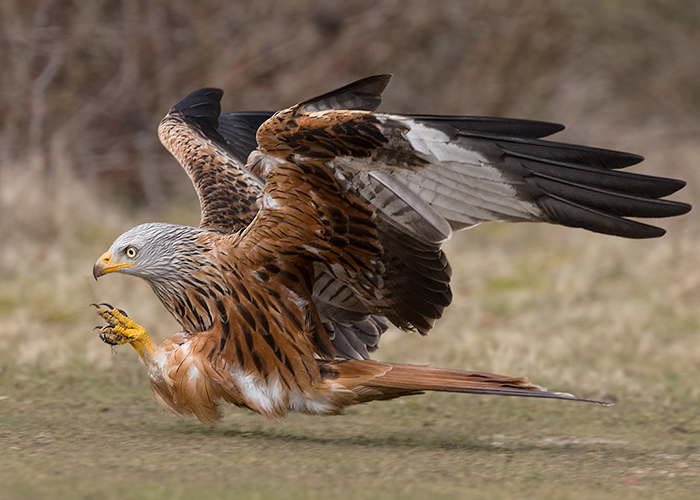
Synonymous with Wales, the latest results from the Breeding Bird Survey (BBS) show that the Red Kite is well and truly back and here to stay. The Welsh population has shown an increase of 368% from 1995 to 2016, one of the largest of any Welsh breeding bird monitored by the survey.
The Red Kite has been increasing across the whole of the UK in recent years thanks to a reintroduction scheme, but nowhere is this more poignant than here in Wales. From around 80 pairs in the early 1990s a Welsh population of over a thousand can now be counted.
The BBS report gives population trends for 60 species of breeding birds in Wales and for some the news is encouraging. The Grey Wagtail, a bird of fast flowing streams, has increased by 78% over the last five years, whilst others, such as Swift have seen their population fall.
Through local training initiatives we’ve seen the number of volunteers taking part increase since 2012, and this improved coverage gives us higher quality data, and more confidence in the trends calculated. Despite these increases in participation, there are still squares available for skilled volunteers, able to identify bird species by sight and sound, to get involved.
Sarah Harris, BBS Organiser at the British Trust for Ornithology, said, “Having lived in Wales for a number of years, it is wonderful to see the Red Kite doing so well, we owe a great debt of thanks to the hundreds of surveyors who go out each summer and count Wales’ breeding birds, without them our knowledge would be much poorer.”
Stephen Bladwell, RSPB Cymru Biodiversity Manager, said: “It’s great to see the iconic red kite increasing in numbers across Wales, going from one of our rarest to one of our more commonly encountered species in a few decades due to protection and conservation initiatives. Throughout this time the efforts of dedicated volunteers and groups like the Welsh Kite Trust have charted this dramatic recovery. It’s also fantastic that the efforts of the equally dedicated BBS surveyors can pick-up the recording of this species now, adding to our understanding of the health of our landscapes.”
The BBS is a partnership between the British Trust for Ornithology (BTO), Joint Nature Conservation Committee (JNCC) and the Royal Society for the Protection of Birds (RSPB) and reports annually on how Britain’s breeding birds are faring.
1 May 2018
Share this story